- You can find art anywhere if you look for it. Meanings can be given, no matter how abstract, to the most random and seemingly inconspicuous things. The important thing is that it has an impact on you.
- When looking for art you can look for things like movement, contrast, textures, or a variety of other factors, but I think the overarching theme is that you look for something you can translate. Something that translates into an analogy, or a metaphor, or an idea, or an emotion.
- I think sometimes you never really ‘know’ its art. Just because something is art to you, doesn’t mean it’s art to someone else. So I suppose you know its art when you see the art in it for yourself.
- I think art certainly can be everything. You can take a close up of the texture of just about anything and appreciate that texture. You can focus on smaller parts of bigger things that themselves may not be aesthetic or impactful or otherwise stand out and therefore may not be art. You can break things down and observe them in different ways and in different perspectives. Art is often limited to beautiful things, or things that are created with the intention of being art, and I think that is simply not true.
- A curator is one who collects and puts together pieces of art to create something bigger. A curator can create an atmosphere or aura with the collections and assortments of the pieces they curate. There are professional curators, but one does not need to be a professional to be a curator. Many of us create playlists, and I think that is the equivalent to being a musical curator.
- A curator is different than an artist because they are not directly creating art. While they create an overarching energy that can enhance and emphasize art, they are not creating the art themselves.
- I think social media has not killed loitering. Then again I have no idea the extent that people loitered before social media, as its been around as long as I’ve been a conscious adolescent. But I still see people loitering and enjoying the environment, whether it be a city, or a park, or beach, or just some random street, I don’t believe social media has killed loitering.
- A flâneur is someone who kind of just hangs around and basks in the energy of an area. They may stand around, or walk around, but they have no real place to be or things to see, they simply exist in a place. They are in no rush, and they are in the moment and they’re just taking things one moment at a time.
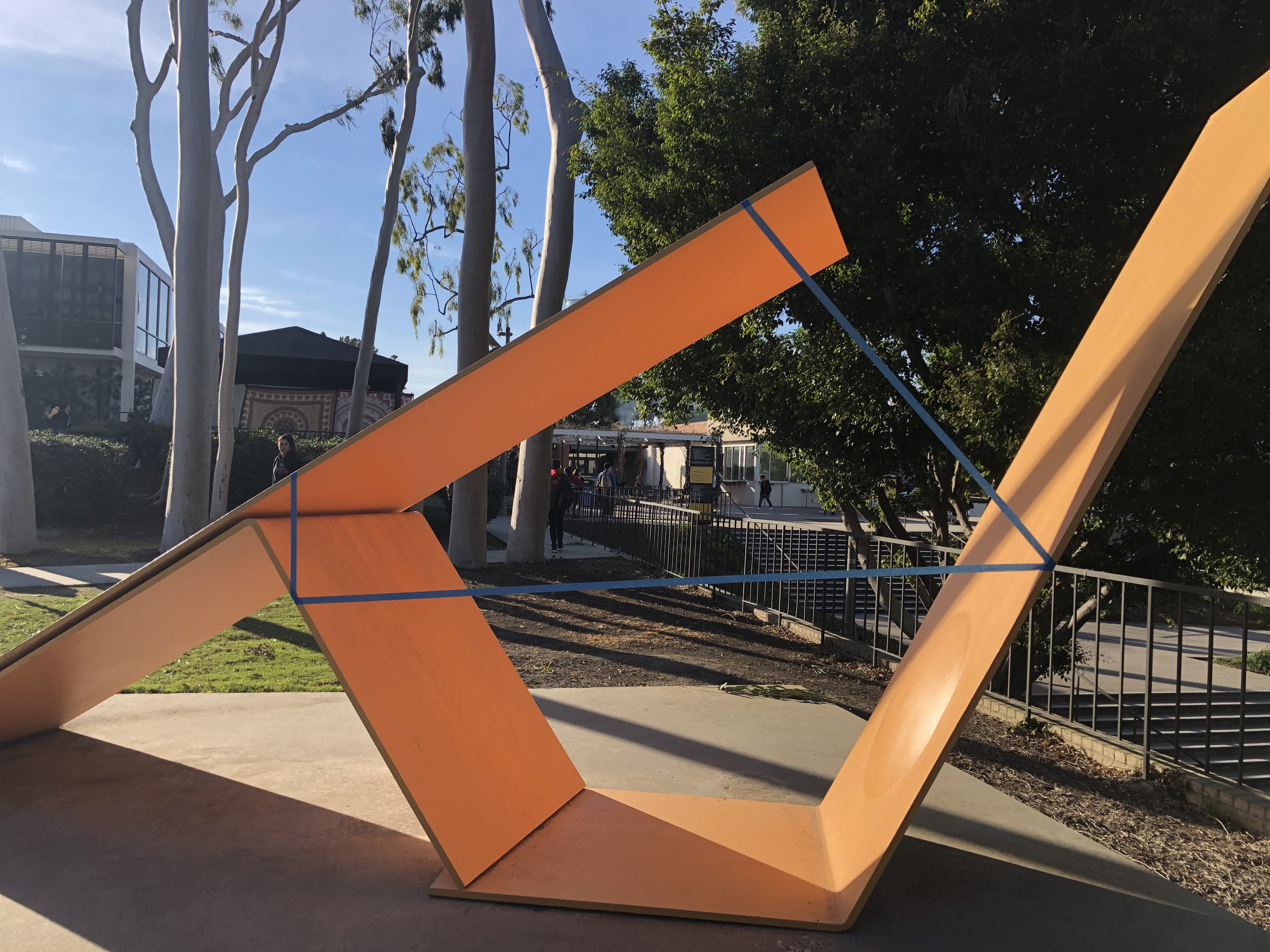
Wk 2 – art experience – abstract finger painting
I must say, I was not looking forward to getting my fingers dirty with paint and making a giant mess I would later need to clean up. But that being said, I surprisingly loved the experience. I listened to lofi music with no lyrics, and just let my mind wander. I only bought the primary colors, so I could make any color I wanted, and I really enjoyed messing around with the color mixtures and swirling my own colors. It was more difficult than I thought because the colors meshed so easily making a dark blob on the page, but it was an incredibly liberating feeling where I just let my mind create whatever shapes and textures and colors it wanted. Other paintings I’ve seen, especially abstract paintings, failed to move me. I enjoy creating art as opposed to observing it, unless it’s simply impressive in the skill the piece demonstrates. This was surprisingly fun, and I will definitely do it again recreationally.
Blog Post 1 Maintenance Art
I felt good about performing maintenance art, particularly because it involved cleaning the campus and making it look nicer for everyone. Mierle Laderman Ukeles maintenance art is different from Richard Serra’s art because hers depicts acts often overlooked, yet critically important and add to the beauty we take for granted in everyday life, while Serra’s art depicts a wild act we would judge as uncommon, flinging molten lead. Both pieces are art in their own right as they were intended to be. If Mierle Laderman Ukeles had been doing the same act as a janitor, it would likely not be perceived as art, although the action Is the same. The artistic aspect of it calls us to look at it and question it. I suppose what makes it art is what it intends to say, where a janitor intends to say nothing, this artist calls us to think and feel and question. Painting on a canvas is usually art because art is the common reason why anyone would paint on a canvas relative to a house, which is painted for utilitarian purposes. The intention of creating art is enough to make something a piece of art, so unless the painter paints on a canvas as practice for canvas painting, they are likely creating art. And likewise unless a house painter paints a mural on the house, he is likely doing it for utilitarian reasons making it not art. Women’s work is art, as long as the artist intends it to be. Performing the act in an artistic medium, for others to see and observe and contemplate the art is a key factor, like if a tree falls in the forest and noone’s around to hear it, if an artist creates art alone for no one else to see, is it art? I think no. I’d clean Robert Downey Junior’s star. I actually really wanted to go to Hollywood to perform this maintenance art, but given the short timetable for this assignment and my busy schedule, I was unable to go.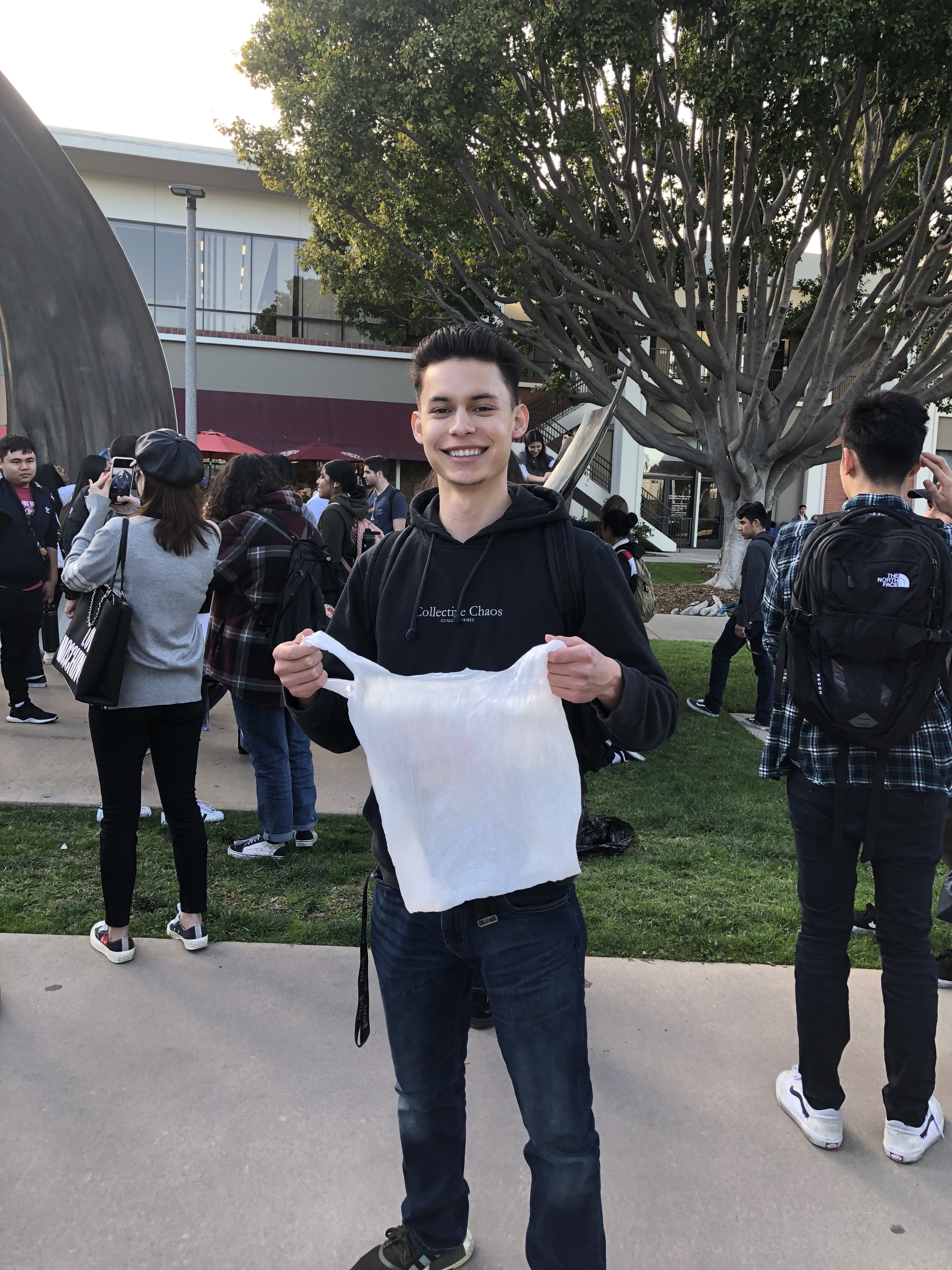
My First Blog Post
Be yourself; Everyone else is already taken.
— Oscar Wilde.
This is the first post on my new blog. I’m just getting this new blog going, so stay tuned for more. Subscribe below to get notified when I post new updates.
Introduce Yourself (Example Post)
This is an example post, originally published as part of Blogging University. Enroll in one of our ten programs, and start your blog right.
You’re going to publish a post today. Don’t worry about how your blog looks. Don’t worry if you haven’t given it a name yet, or you’re feeling overwhelmed. Just click the “New Post” button, and tell us why you’re here.
Why do this?
- Because it gives new readers context. What are you about? Why should they read your blog?
- Because it will help you focus you own ideas about your blog and what you’d like to do with it.
The post can be short or long, a personal intro to your life or a bloggy mission statement, a manifesto for the future or a simple outline of your the types of things you hope to publish.
To help you get started, here are a few questions:
- Why are you blogging publicly, rather than keeping a personal journal?
- What topics do you think you’ll write about?
- Who would you love to connect with via your blog?
- If you blog successfully throughout the next year, what would you hope to have accomplished?
You’re not locked into any of this; one of the wonderful things about blogs is how they constantly evolve as we learn, grow, and interact with one another — but it’s good to know where and why you started, and articulating your goals may just give you a few other post ideas.
Can’t think how to get started? Just write the first thing that pops into your head. Anne Lamott, author of a book on writing we love, says that you need to give yourself permission to write a “crappy first draft”. Anne makes a great point — just start writing, and worry about editing it later.
When you’re ready to publish, give your post three to five tags that describe your blog’s focus — writing, photography, fiction, parenting, food, cars, movies, sports, whatever. These tags will help others who care about your topics find you in the Reader. Make sure one of the tags is “zerotohero,” so other new bloggers can find you, too.
 Thomas' Art Blog